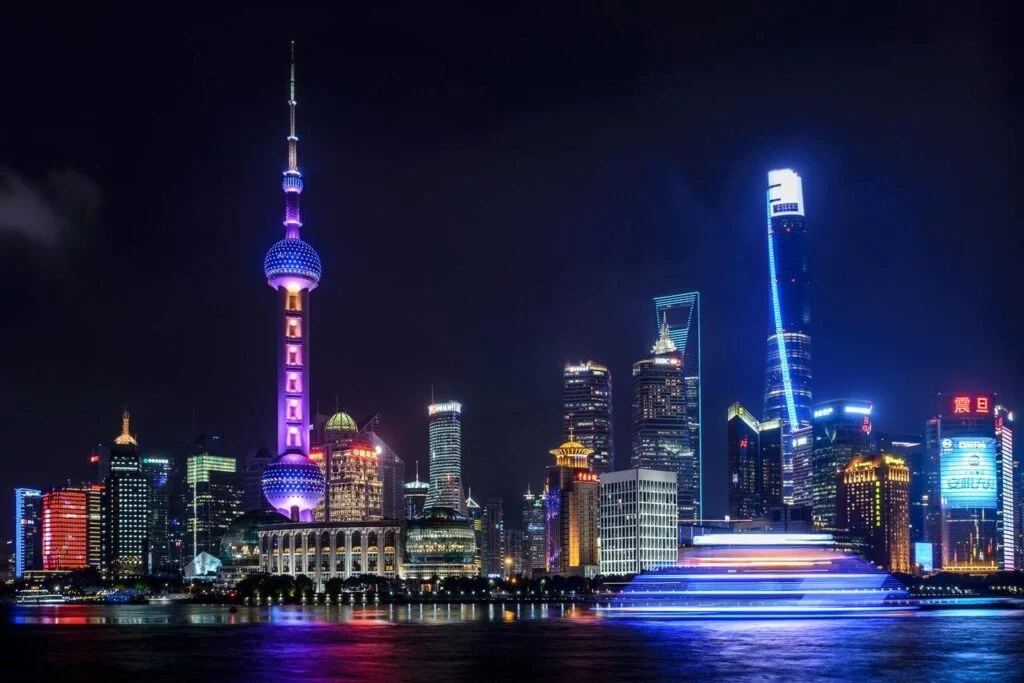
Explore Shanghai’s mesmerizing blend of historic and futuristic. Witness skyscrapers compete for world records, explore active religious sites, and shop in districts that exhibit European grandeur and art deco stylings.
As taxi drivers often don’t speak English, it is wise to have your hotel and destination written down on paper in Chinese for your driver to read out loud. Another alternative would be downloading Didi App which works like Uber but supports foreign credit card payments. Dubai to Shanghai Cathay Pacific flights are now available.
1. Take Public Transport
Shanghai is one of the world’s most populous cities, so unless traveling with a guided group, navigating its vast transportation network on your own can be quite an daunting challenge. Additionally, Chinese is not widely understood so familiarizing yourself with it might prove daunting as well.
Metro rail networks cover over 548 km across 14 lines (compared to New York’s 337 km). Route maps are easy to read and most announcements made both in English and Chinese. Buses provide affordable and convenient options; however they can become overcrowded during rush hour travel. When taking buses be sure to purchase tickets before embarking as drivers will not give change!
Bicycles are an enjoyable way to explore Shanghai, but be wary on its streets where traffic can often be chaotic and cars turn right at red lights despite an already red signal. Also be mindful that not all major roads have bike lanes; cycling may also not be permitted on certain bridges or tunnels that connect Pudong and Puxi.
Overall, Shanghai is safe for foreigners; however, pickpocketing crimes such as pickpocketing may occur in crowded areas like train stations, markets and busy streets. If you carry significant cash with you when exploring Shanghai, be wary and keep it close at hand at all times.
2. Be Careful on the Streets
Shanghai may boast a relatively low crime rate, yet pickpocketing still occurs frequently in crowded areas such as railway and bus stations; airports; popular tourist sights; and markets. So when visiting this bustling financial center of China’s, always keep a close watch on your belongings at all times and practice standard safety precautions like keeping money in a front pocket or wearing a money belt and remain aware of your surroundings.
Be wary of unofficial taxi drivers who may overcharge or give out counterfeit banknotes. Instead, look for official taxis with meters and signs on the roof as well as photo ID in their windows if travelling alone. When riding alone, only ride in the backseat without engaging drivers in personal conversation.
Single women shouldn’t face any safety concerns, though it is always advisable to use common sense and take extra caution when visiting crowded or touristy areas at night. Keep in mind that email can be blocked in certain parts of China, so make sure all important work and travel emails are backed up to your computer before departing to avoid any possible mishaps if your phone goes missing or online reservations or transportation tickets get accidentally deleted from an app or site. Bring along a travel map so that you can easily reference it as you explore Shanghai on foot. Lonely Planet Shanghai City Map provides an invaluable overview of this sprawling metropolis, featuring walking tours, transport maps and itineraries – durable yet portable, this full-color navigation tool can help you experience all that Shanghai offers!
3. Carry a Map
Shanghai on China’s central coast is its largest city and global financial center. Known for its famed waterfront promenade – the Bund – lined with colonial-era buildings; across Huangpu River lies Pudong district, home to futuristic skyscrapers like 632m Shanghai Tower and Oriental Pearl TV Tower with pink spheres; while sprawling Yu Garden contains traditional pavilions, towers and ponds.
Driving in Shanghai/Hangzhou should not be recommended due to complex traffic patterns and continuous construction projects; unpredictable pedestrians; Chinese driving habits and unpredictable pedestrians (see Shanghai/Hangzhou#Drive); readily available taxis outside both airports; alternatively dockless rideshare bikes are an ideal way to navigate downtown; these bikes can usually be found near metro stations and usually cost Y=1-2 per ride.
At the municipal government website, a free tourist map is readily available – however much of it may be quite dull due to statistics, photos of officials in charge of development projects and lengthy descriptions written entirely in technical language. Some major sights are highlighted however.
Cash can be useful when making small purchases as not all businesses accept credit cards or mobile payment systems. A money belt can help keep your wallet safe in public spaces; just be extra watchful on the streets! You can add funds to your transit card at large banks and certain convenience stores; for electronic forms of payment like Alipay/WeChat payments using QR codes bind your bank card directly.
4. Carry a Wallet
Cash is often the easiest and simplest way to pay in Shanghai, so be sure to bring along a sufficient supply. Alipay or WeChat may also come in handy as many places do not accept credit.
One of the most enjoyable activities in Shanghai is visiting “fake markets”, or flea markets. While shopping here can be great fun, make sure not to buy anything which could damage or lead to illness – especially electronics (such as iPhone chargers with compromised wiring), food or medicine that may lead to future complications.
Another popular activity is walking along the Bund (Wai Tan), both day and night. Shanghai comes alive at nighttime, so this is an excellent time to visit! For families traveling with children, pack extra snacks and water so they don’t get hungry or thirsty during your stroll along the Bund. In addition, be aware that in Chinese culture face is highly valued; don’t do or say anything that may offend anyone’s pride or feelings!
5. Be Prepared for Change
Shanghai is one of the world’s most dynamic cities, welcoming and accepting of rapid change with open arms. Newcomers may find this change daunting at first, but accepting rather than resisting it will allow you to enjoy all that this vibrant metropolis offers.
Unless you are well-versed in Chinese culture, be sure to seek assistance before moving into your new home. Shanghainese are famously welcoming and generous; most will gladly assist when asked. Furthermore, having some basic words and phrases spoken frequently throughout public places could prove extremely helpful.
Taxis in Shanghai are plentiful and their rates are considerably less expensive than in the US. Unfortunately, most taxi drivers do not speak English – to ensure you arrive safely at your hotel or destination on time, have your hotel address written out on a card in Chinese for them or download Didi to input a foreign credit card number and request rides in English from this app.
Although Shanghai maintains higher sanitation standards than most cities, tap water should still not be drunk directly during your stay. Therefore, it is advisable to stick to bottled drinks and hot food during your visit. Also be wary of pickpocketing in crowded areas such as restaurants, trains, or markets, particularly during your travels; women should be wary of purse snatchers while men should carry wallets in front pockets for security.
6. Ask for Help
Shanghai is an extremely international city in China. Young people tend to speak and understand English well enough for you to communicate easily; however, taxi drivers and cashiers at stores may only understand a limited amount of English; thus it would be useful if you learn some basic Mandarin before arriving. We suggest keeping a copy of our address card we prepared in your wallet to facilitate taxi rides as well as directions.
Shanghai boasts an intriguing blend of East and West architecture, from historic shikumen houses that combine Chinese style elements with European design flair to buildings from various concessions that controlled it in 19th and early 20th century; not to mention numerous religious buildings such as Buddhist, Taoist, Confucian and Muslim structures dotted throughout.
Driving is not recommended in Shanghai due to its complex road network, ongoing construction projects, Chinese driving habits and pedestrians who may unexpectedly dart into traffic. If necessary, rent a car with either an English-speaking driver or at least someone who can translate for you – most Shanghainese are very accommodating and will appreciate any efforts made by visitors to help them understand what their needs are.